
Airport Drop-Off Fees Are Up a Third — And They Signal a Bigger Mobility Cost Shift
UK airport drop-off charges have jumped by a third, but the real story is how surface-access pricing is quietly reshaping the economics of travel and transit. Here's what mobility operators and investors should read into it.
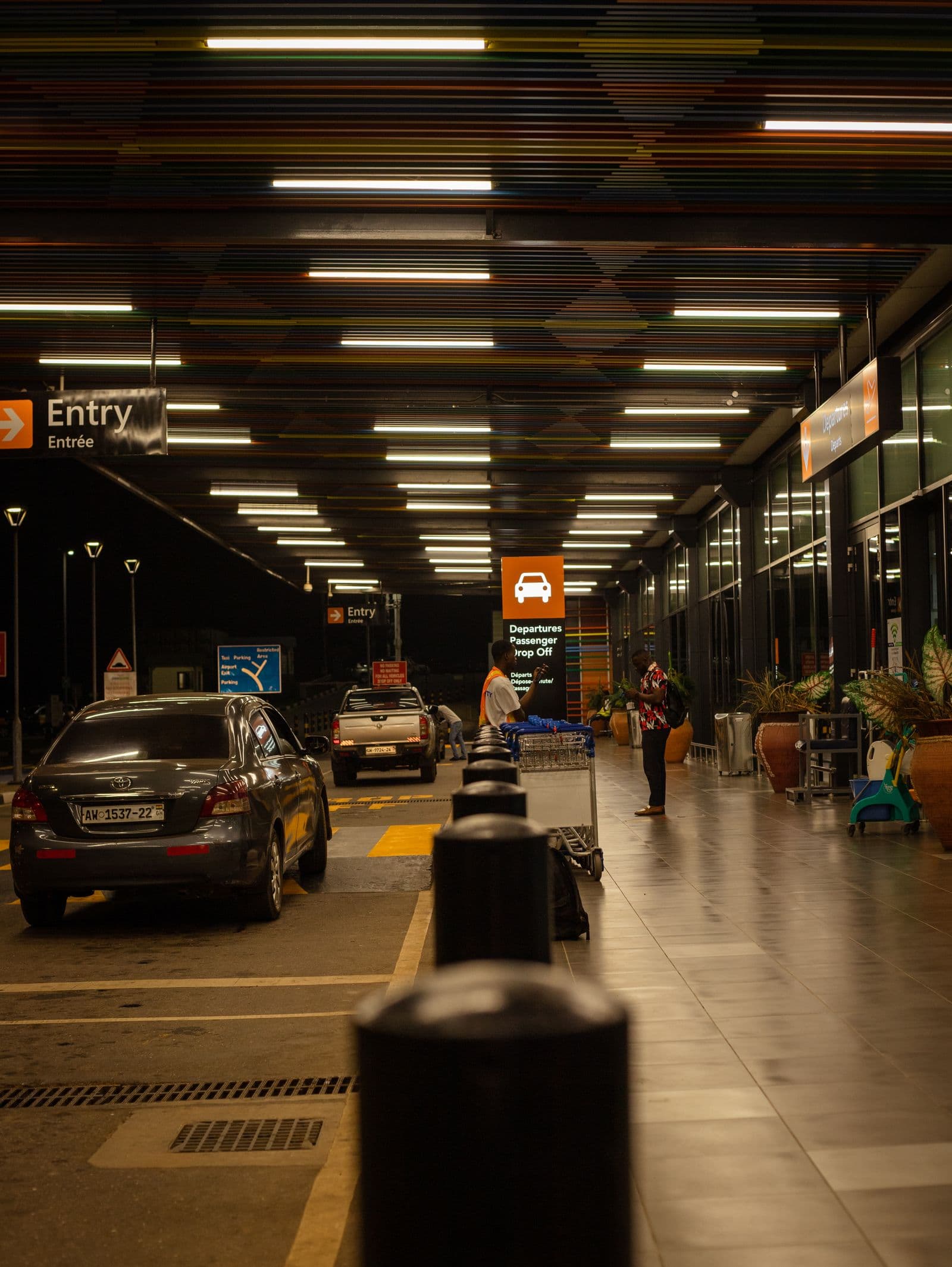
UK airport drop-off fees have climbed by roughly a third, with the priciest terminals now charging motorists a premium simply to pause at the kerb. It is easy to read this as another consumer grievance headline. It is more useful to read it as a pricing signal — evidence that airports are aggressively monetising the one part of the journey travellers cannot avoid: getting to and from the terminal.
Surface access is becoming a profit centre, not a cost centre
For decades, airport surface access — the roads, kerbs, car parks, and pick-up zones — was treated as infrastructure to be tolerated. That framing is over. When drop-off charges rise a third in a single cycle, it tells you operators have identified inelastic demand and are pricing to it. Travellers under time pressure, with luggage and children, will pay. That is not a fee; it is a captive-audience tariff.
The contrast with public transit could not be sharper. The same week travellers absorb higher kerb charges, we see the bus fare cap saving one commuter £500 a year on a four-hour daily journey. Two mobility markets are moving in opposite directions — one deregulating price upward under private incentive, the other capping it downward under policy. For anyone operating across the Transportation & Mobility sector, that divergence is the whole strategic picture.
Why this matters for Aviation and Public Transit operators
This is precisely the terrain APEX's Transportation & Mobility practice works — Aviation and Public Transit sitting inside the same portfolio for a reason. Airports optimising kerb revenue are, whether they intend it or not, subsidising the case for rail and bus links into terminals. Every additional pound at the drop-off zone strengthens the value proposition of the fare-capped alternative. Operators who model these two revenue lines in isolation will misprice both.
Our Business Optimisation & Transformation teams see the same pattern repeatedly: organisations scaling revenue faster than their infrastructure can absorb the reputational cost. A third-higher drop-off fee generates margin today and consumer resentment that compounds. The airports that will hold this pricing are the ones that reinvest it visibly into faster, cheaper terminal access — not the ones that bank it quietly.
The behavioural read is where the money is
Surveys will tell you travellers hate drop-off fees. Behaviour tells you they keep paying them. That gap is exactly what APEX's Consumer & Behavioral Insights practice exists to close. Willingness to pay at the kerb is not uniform — it splits sharply by trip purpose, group size, and time of departure. A business traveller on expenses and a family on an annual holiday are not the same customer, and pricing them identically leaves both revenue and goodwill on the table. The operators winning here will segment the kerb the way airlines segmented the cabin.
The wider cost environment is not on operators' side
None of this happens in a vacuum. Even with some food prices falling, inflation is expected to rise from here. Household transport budgets are being squeezed from multiple directions at once, and discretionary travel is the first line item people scrutinise. An airport raising drop-off charges into a rising-inflation environment is testing consumer tolerance at precisely the moment that tolerance is thinnest.
Our read: the fee increase is durable, but the pricing model behind it is not. The next competitive move belongs to airports and transit authorities that treat surface access as an integrated system — kerb, car park, rail, and bus priced as one journey rather than four separate grabs. That is a Strategy & Growth problem before it is an operational one, and it rewards the operators who move first while the market is still treating drop-off fees as a one-off headline.
- Airport drop-off fees up by a third - here are the priciest — BBC Business
- I travel four hours on a bus per day - the bus fare cap will save me £500 a year — BBC Business
- Some food prices have fallen – but inflation expected to rise from here — BBC Business